
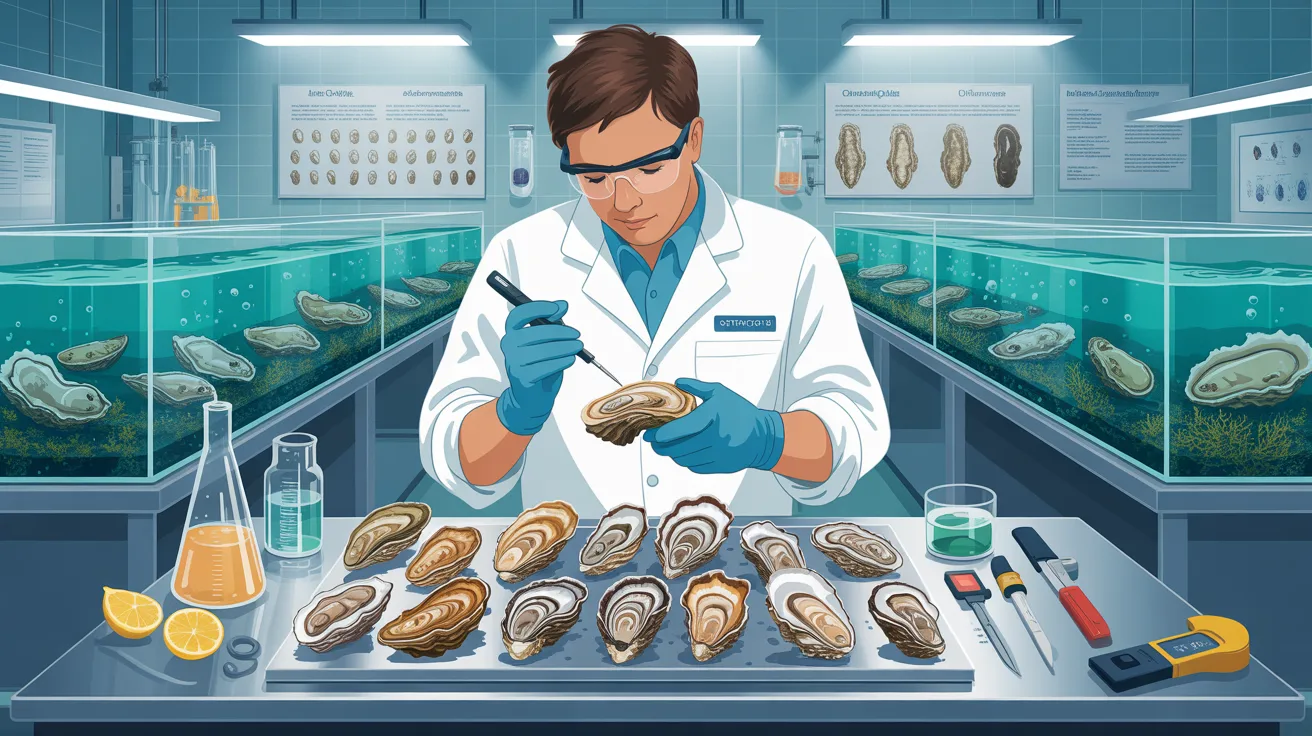
In the vast and intricate tapestry of marine biology, the role of an ostropologe has emerged as a vital thread, weaving together scientific inquiry, environmental stewardship, and hands-on exploration of oyster ecosystems. These specialists dedicate their careers to unraveling the mysteries of oysters, from their complex life cycles to their pivotal contributions to coastal health. As ocean challenges mount, understanding the work of an ostropologe offers insights into how we can protect these humble yet powerful creatures that filter our waters and sustain biodiversity.
What Defines an Ostropologe?
An ostropologe is fundamentally a scientist focused on the study and conservation of oysters, blending elements of ecology, biology, and fieldwork to monitor and enhance oyster populations. Unlike general marine biologists who might cover broader ocean life, an ostropologe hones in on the specifics of bivalves like Ostrea edulis or Crassostrea gigas, examining how they interact with their environments. This specialization requires a deep appreciation for the subtleties of estuarine habitats, where oysters thrive in brackish waters teeming with nutrients.
The daily life of an ostropologe often involves wading through mudflats or diving into shallow bays to collect samples. They assess oyster health by measuring shell thickness, growth rates, and reproductive success, using these metrics to gauge ecosystem vitality. For instance, a healthy oyster reef can filter up to 50 gallons of water per day per individual, removing pollutants and clarifying the surrounding area. By documenting these processes, an ostropologe provides data that informs restoration projects, helping to rebuild depleted reefs that serve as natural barriers against erosion and storms.
Beyond data collection, an ostropologe acts as a bridge between science and policy. They collaborate with local governments to develop sustainable harvesting guidelines, ensuring that commercial oyster farming doesn’t deplete wild stocks. This role adds immense value by balancing economic interests with ecological needs, demonstrating how targeted expertise can lead to practical outcomes that benefit both nature and communities.
Educational Pathways to Becoming an Ostropologe
Pursuing a career as an ostropologe typically starts with a strong foundation in biological sciences. Undergraduate degrees in marine biology or environmental science lay the groundwork, covering topics like oceanography and invertebrate zoology. Advanced training often involves master’s or doctoral programs where aspiring ostropologe conduct research on oyster genetics or disease resistance. Field certifications in scuba diving or boat handling are equally crucial, as much of the work happens in unpredictable coastal settings.
Internships with conservation organizations provide hands-on experience, teaching skills like spat collection—where young oysters are gathered and relocated to nurture new reefs. These opportunities not only build technical proficiency but also cultivate the resilience needed for fieldwork under varying weather conditions. For those entering the field, focusing on interdisciplinary knowledge, such as climate modeling, enhances employability, as an ostropologe must anticipate how rising sea temperatures affect oyster survival.
The Historical Roots of Ostropologe
The concept of an ostropologe didn’t arise in a vacuum; it evolved from centuries of human interaction with oysters. Ancient civilizations, from the Romans to indigenous coastal tribes, recognized oysters as a food source and ecosystem engineer, but systematic study began in the 19th century with early naturalists documenting shellfish behaviors. By the early 1900s, as industrialization polluted waterways, scientists started specializing in oyster declines, laying the groundwork for modern ostropologe practices.
A pivotal moment came in the mid-20th century with the advent of aquaculture techniques. Researchers like those pioneering hatchery methods realized the need for dedicated experts to monitor wild populations alongside farmed ones. This era saw the rise of ostropologe as a distinct field, influenced by broader environmental movements that highlighted habitat loss. Today, historical data compiled by early ostropologe informs current strategies, such as using archival records to track long-term population shifts and adapt conservation efforts accordingly.
Key milestones include the establishment of oyster sanctuaries in the 1970s, driven by ostropologe advocacy. These protected areas allowed for controlled studies on reef dynamics, revealing how oysters create habitats for fish and crabs. Understanding this history equips current practitioners with lessons on resilience, showing how past overharvesting led to collapses and how targeted interventions can reverse them.
Essential Tools and Techniques in Ostropologe
An ostropologe relies on a toolkit that marries traditional methods with cutting-edge technology to gather accurate data. Basic gear includes quadrat frames for sampling oyster densities on reefs and calipers for precise measurements of shell sizes. Water quality meters are indispensable, tracking parameters like salinity, pH, and dissolved oxygen, which directly influence oyster growth.
More advanced techniques involve genetic sampling, where an ostropologe extracts DNA from oyster tissues to study population diversity. This helps identify resilient strains that can withstand diseases like MSX or dermo, common parasites that decimate reefs. Drones equipped with multispectral cameras have revolutionized surveying, allowing ostropologe to map large areas without disturbing habitats, providing aerial views of reef expansion or erosion.
In lab settings, an ostropologe might use flow cytometry to analyze larval stages, counting microscopic spat to predict recruitment success. These methods add value by enabling predictive modeling—forecasting how environmental changes might impact future generations. Mastering these tools requires ongoing training, but the payoff is in actionable insights that drive effective conservation.
Fieldwork Strategies for Effective Monitoring
Effective fieldwork as an ostropologe demands strategic planning. Seasonal surveys align with oyster spawning cycles, typically in warmer months, to capture peak activity. Teams often deploy buoys with sensors for continuous data logging, freeing up time for qualitative observations like noting predator interactions. Safety protocols, such as tide awareness and biohazard handling, ensure productive outings without risks.
Collaborative techniques, like partnering with citizen scientists, extend reach. An ostropologe might train volunteers to report oyster sightings via apps, crowdsourcing data for broader analyses. This inclusive approach not only amplifies research but also educates the public, fostering community investment in marine health.
The Ecological Role of Oysters and the Ostropologe’s Contribution
Oysters are keystone species, and an ostropologe plays a crucial role in highlighting their importance. These filter feeders improve water clarity, reducing algae blooms that suffocate other marine life. Reefs built by oysters provide nurseries for juvenile fish, boosting fisheries productivity. An ostropologe quantifies these benefits through biodiversity assessments, demonstrating how oyster presence correlates with healthier ecosystems.
In the face of climate change, an ostropologe investigates adaptation strategies. Rising acidity threatens shell formation, so specialists test hybrid breeds for tolerance. Restoration projects, where artificial substrates encourage oyster settlement, rely on ostropologe expertise to select optimal sites based on currents and sediment types. These efforts yield measurable results, like increased fish populations in restored areas, underscoring the field’s impact.
Moreover, an ostropologe addresses invasive species threats, such as non-native oysters outcompeting locals. Through monitoring and removal protocols, they maintain ecological balance, preventing cascading effects on food webs. This work adds profound value by safeguarding biodiversity hotspots, ensuring coastal resilience for generations.
Addressing Human Impacts
Human activities like dredging and pollution pose ongoing challenges, and an ostropologe counters them with evidence-based advocacy. By presenting data on contaminant bioaccumulation in oysters, they influence regulations on industrial discharges. Sustainable farming models promoted by ostropologe integrate eco-friendly practices, like floating cages that minimize seabed disturbance, blending economy with ecology.
Challenges Encountered by Ostropologe
No field is without hurdles, and ostropologe face several. Funding shortages limit research scope, often requiring grants from environmental foundations. Harsh field conditions, from biting insects to stormy seas, demand physical endurance. Disease outbreaks can wipe out study sites overnight, forcing rapid pivots in research plans.
Regulatory complexities add layers; an ostropologe must navigate permits for sampling in protected waters. Climate variability complicates predictions, as shifting patterns alter oyster behaviors unpredictably. Overcoming these involves innovation, like using AI for data analysis to streamline workflows and identify trends faster.
Despite challenges, the rewards are substantial. Successful restorations validate efforts, and the sense of contributing to planetary health motivates persistence. Strategies like interdisciplinary teams—pairing ostropologe with engineers for habitat designs—enhance problem-solving, turning obstacles into opportunities.
Career Opportunities in Ostropologe
The field of ostropologe offers diverse paths for passionate individuals. Academic roles involve teaching and research at universities, mentoring the next generation while publishing findings. Government positions with agencies like fisheries departments focus on policy development, using ostropologe insights to shape laws.
Non-profit work emphasizes hands-on conservation, leading reef-building initiatives. Private sector opportunities in aquaculture consultancies allow ostropologe to optimize farm operations for sustainability. Salaries vary by experience, but entry-level positions often start around $50,000 annually, rising with expertise.
Building a career requires networking through conferences and publications. Specializations, like oyster pathology or restoration ecology, can lead to leadership roles. The field’s growth, driven by ocean conservation demands, promises expanding opportunities for those committed to marine science.
Emerging Trends and Future of Ostropologe
Looking ahead, ostropologe will increasingly incorporate technology like genomics for breeding disease-resistant oysters. Climate adaptation research will prioritize, with ostropologe modeling scenarios for sea-level rise impacts on reefs. Community-driven projects, engaging locals in monitoring, will democratize science, amplifying data collection.
Global collaborations will tackle transboundary issues, such as ocean acidification affecting international waters. Education initiatives, from school programs to online courses, will train more ostropologe, ensuring a robust workforce. As awareness grows, funding may increase, supporting ambitious restorations that could revitalize entire coastlines.
Innovation in biomaterials, using oyster shells for carbon sequestration, opens new avenues. An ostropologe at the forefront will drive these advancements, blending tradition with progress to secure oyster futures.
Embracing the Ostropologe Perspective
The world of an ostropologe reveals the profound interconnectedness of marine life, where oysters stand as unsung heroes of our oceans. Through dedicated study and action, these specialists not only preserve vital ecosystems but also inspire broader environmental consciousness. Whether in labs, fields, or policy arenas, the contributions of an ostropologe underscore the power of specialized knowledge in addressing global challenges. As we face uncertain seas, embracing this field offers hope and practical paths toward sustainable harmony with nature.